The short answer
Yes — homeowners insurance in Texas usually covers roof replacement when the damage comes from a sudden event your policy covers, like a hailstorm or high wind. It does not cover a roof that’s simply worn out, old, or poorly maintained.
So it comes down to one question: did something happen to your roof, or did it just wear out? Storm hit it — you likely have a claim. It’s 20 years old and finally giving up — that’s on you, not the insurance company.
Here in DFW we get hammered by hail every year, so this comes up constantly. Below is the straight version of how it actually works, from someone who’s been on the roof and sat across from the adjuster.
When insurance DOES cover your roof
Texas homeowners policies (the standard ones) cover “sudden and accidental” damage from covered perils. For roofs, that almost always means:
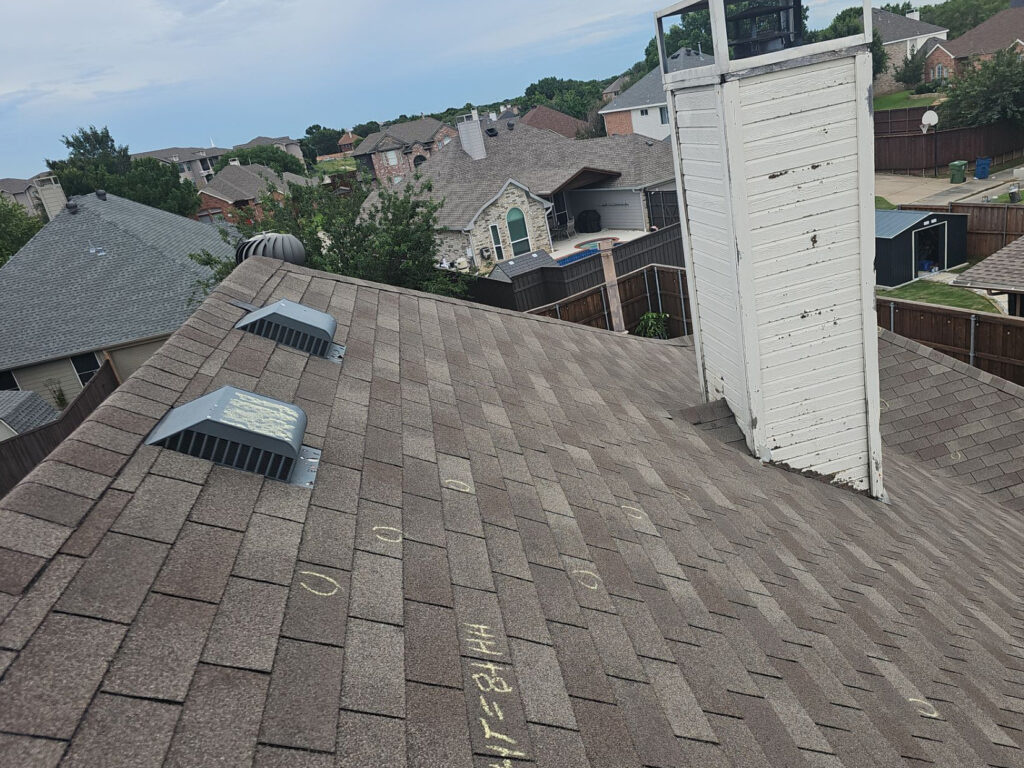
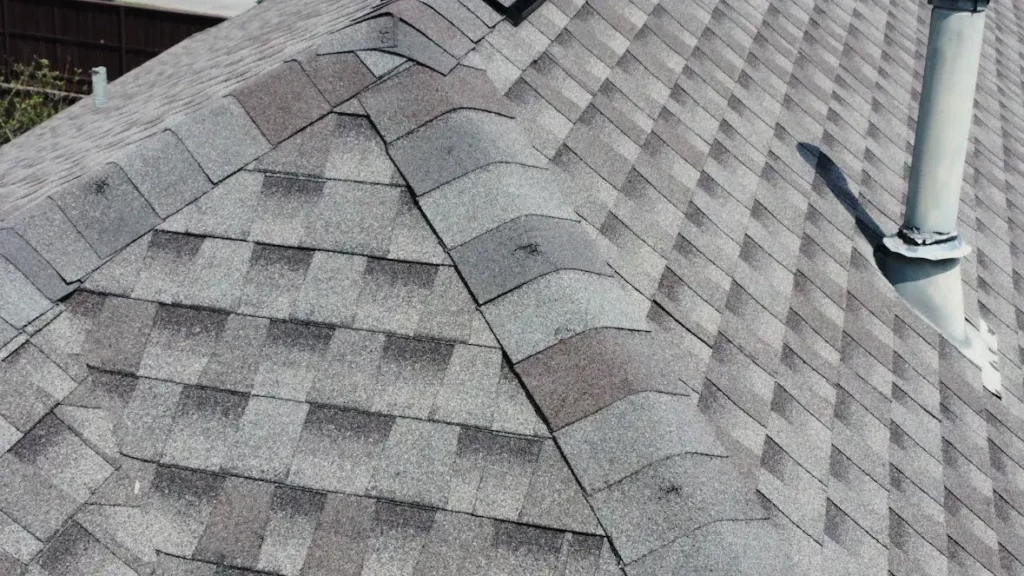
- Hail damage — the big one in North Texas. Bruised, cracked, or dented shingles from a hailstorm.
- Wind damage — shingles lifted, torn, or blown off in a windstorm.
- Storm debris — a tree limb or blown debris punching through the roof.
- Sudden accidental events — certain fires, and other covered causes listed in your policy.
If a storm damaged your roof, your policy is designed to pay to put it back the way it was — minus your deductible.
When insurance does NOT cover your roof
This is where a lot of homeowners get surprised. Insurance is not a maintenance plan. It won’t pay for:
- Age and normal wear — an old roof at the end of its life.
- Lack of maintenance — damage that built up because small problems were ignored.
- Manufacturer defects — that’s a warranty issue, not an insurance one.
- Damage below your deductible — if the repair costs less than what you’d pay out of pocket anyway, there’s no claim worth filing.
If an adjuster decides your roof is worn out rather than storm-damaged, they’ll deny it. Sometimes they’re right. Sometimes they’re wrong — and that’s a fight worth having (more on that below).
ACV vs. RCV: how much they actually pay
Two little acronyms decide how big your check is. Know which one your policy uses before the storm:
- RCV (Replacement Cost Value) — the good one. The insurer pays what it actually costs to replace the roof today, minus your deductible. Usually it comes in two checks: the first (depreciated) amount up front, and the rest — the “recoverable depreciation” — after the work is done and invoiced.
- ACV (Actual Cash Value) — the tougher one. The insurer pays the depreciated value of your old roof, so an older roof gets you a smaller check and you cover the gap.
Texas insurers increasingly add roof-specific endorsements — ACV-only roof payments, roof payment schedules, or cosmetic-damage exclusions — that quietly shrink what they’ll pay. It’s worth pulling your policy (or letting us read it) so there are no surprises.
Your deductible — and a Texas warning
You pay your deductible. Always. On many Texas policies the roof/wind-hail deductible is a percentage of your home’s insured value (like 1% or 2%), not a flat $500 — so it can be bigger than people expect. Check your declarations page.
Texas warning: if any contractor promises to “waive,” “eat,” “absorb,” or “pay” your deductible to win your business — walk away. That’s illegal in Texas (it’s insurance fraud, a misdemeanor for the contractor). An honest roofer follows the law. That’s non-negotiable here at Biltmore.
How a Texas roof claim actually works, step by step
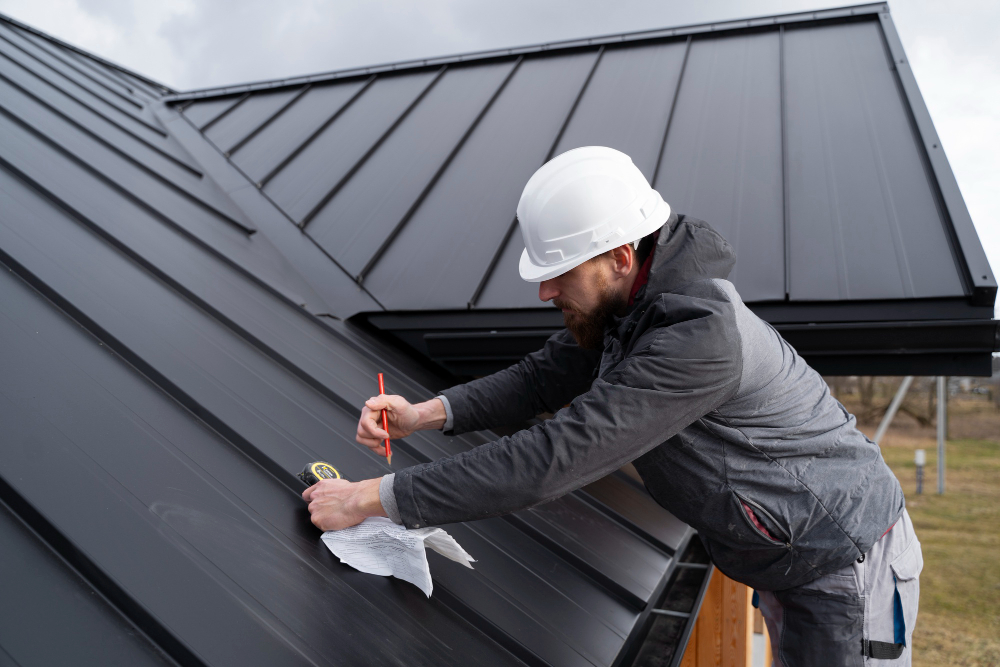
- Get it inspected. After a storm, have a roofer look before you call it in — so you’re not filing a claim for damage that’s below your deductible or not really there.
- File the claim with your insurance company. Most policies require you to report promptly, so don’t sit on it.
- The adjuster inspects. This is the key moment — your roofer should be on the roof with the adjuster, pointing out every hit so nothing gets missed or written off.
- You get the scope and estimate. The insurer sends what they’ll pay for.
- Supplement if it’s short. Adjusters miss things — flashing, drip edge, code-required upgrades, extra layers. A good roofer sends a supplement to get those covered. (This is where a lot of homeowners leave money on the table.)
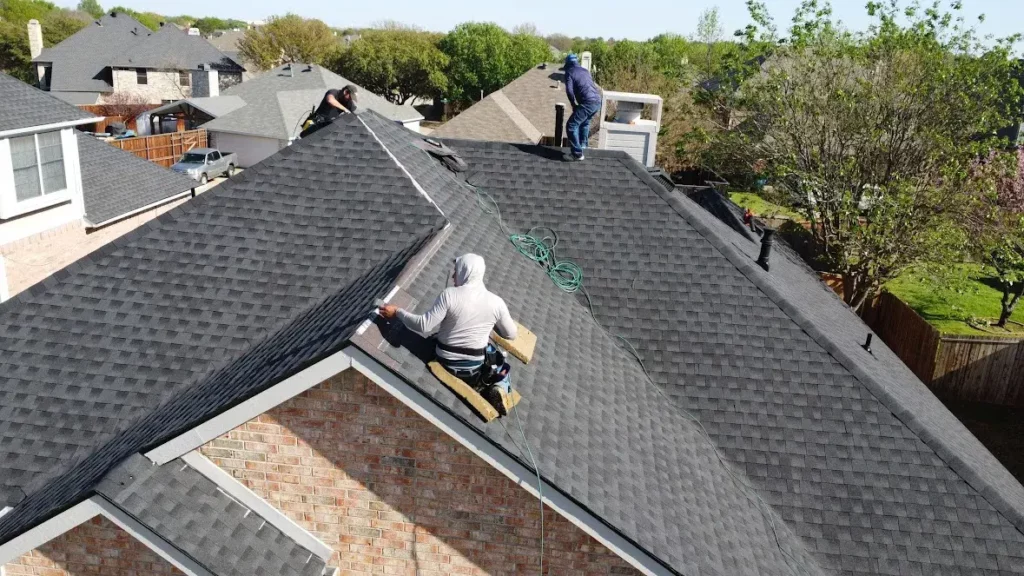
- Work gets done, and the recoverable depreciation is released once it’s invoiced.
The homeowners who come out whole are almost always the ones who had a roofer in the room. The ones who let the adjuster inspect alone are the ones who get lowballed.
Claim denied or underpaid? You’re not out of options
A denial isn’t always the final word. If you believe there’s real storm damage, you can:
- Request a re-inspection.
- Have your roofer submit a supplement with documentation.
- Invoke the appraisal clause in your policy (a dispute-resolution process).
- Bring in a licensed public adjuster or, if needed, an attorney.
In Texas you generally have a limited window to act on a claim, so don’t let a “no” sit for a year. Get a second set of eyes on it.
The bottom line
If a storm damaged your roof, your insurance is very likely supposed to pay for it — and your job is to make sure they pay for all of it, not a lowballed version. That’s the whole game, and it’s exactly what we do.
Biltmore Roofing is veteran-owned and based in Lewisville, serving all of Dallas–Fort Worth. We’ll inspect your roof for free, tell you straight whether you’ve got a real claim, and if you do, we’ll stand on the roof with your adjuster and fight for every dollar you’re owed.
Think a storm got your roof? Call us for a free, honest inspection: (817) 714-3366.
FAQ
Will insurance pay for a new roof if mine is old?
How much does hail damage have to be for insurance to cover a roof?
Does filing a roof claim raise my rates in Texas?
Can a roofer waive my deductible?
How long do I have to file a roof claim after a storm in Texas?
This article is general information for Texas homeowners, not legal or insurance advice. Coverage depends on your specific policy — read yours or ask us to help you understand it.