The short answer
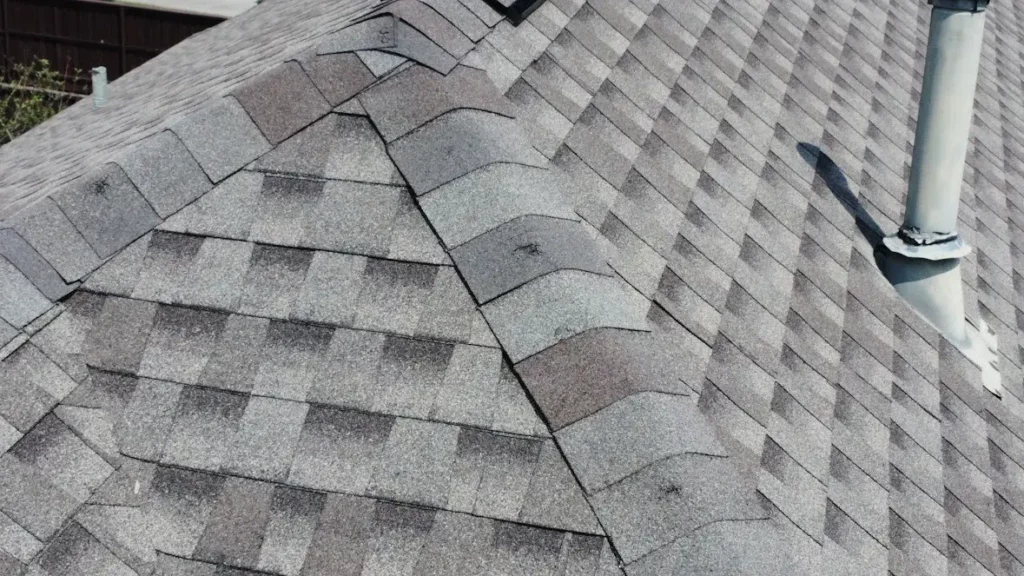
In 2026, most asphalt shingle roof replacements in Dallas–Fort Worth run about $450 to $650 per square (100 square feet) installed. For a typical DFW home with 25 to 35 squares of roof, that’s roughly $11,000 to $22,000.
Steep roofs, two-story homes, rotten decking, and impact-resistant Class 4 shingles push the number up. Premium systems like stone-coated steel or rubber can run about double. And if hail or wind caused the damage, your insurance may cover most of it, minus your deductible.
I’ve priced and installed hundreds of roofs across DFW. Here’s what actually goes into the number, so you can read a quote and know what you’re looking at.
How roofers price a roof: the “square”
Roofers don’t price by the square footage of your house. We price by the square, which is 100 square feet of roof surface.
Your roof is bigger than your floor plan. Overhangs, pitch, and the garage all add area. A 2,000 square foot one-story house might have 25 to 30 squares of roof. A steep two-story with a lot of hips and valleys can run well past that.
We also add waste, usually 10% to 15%, for the cuts at hips, valleys, and edges. That’s normal. A quote with zero waste either has a mistake in it or will come back to you as a change order.
Most good roofers measure with satellite or drone reports (Roofr, EagleView) and then verify on the roof. Ask for the measurement report. You should be able to see the squares and the pitch.
What drives the price up or down
These are the things that move a DFW roof quote the most:
- More squares, more material, more labor. Simple.
- Pitch (steepness). Anything steeper than about 7/12 is slower and riskier to work on. Crews charge more per square as the pitch goes up.
- A two-story house costs more to tear off, load, and work safely than a one-story.
- Shingle type. Standard architectural shingles vs. impact-resistant Class 4 shingles (more below).
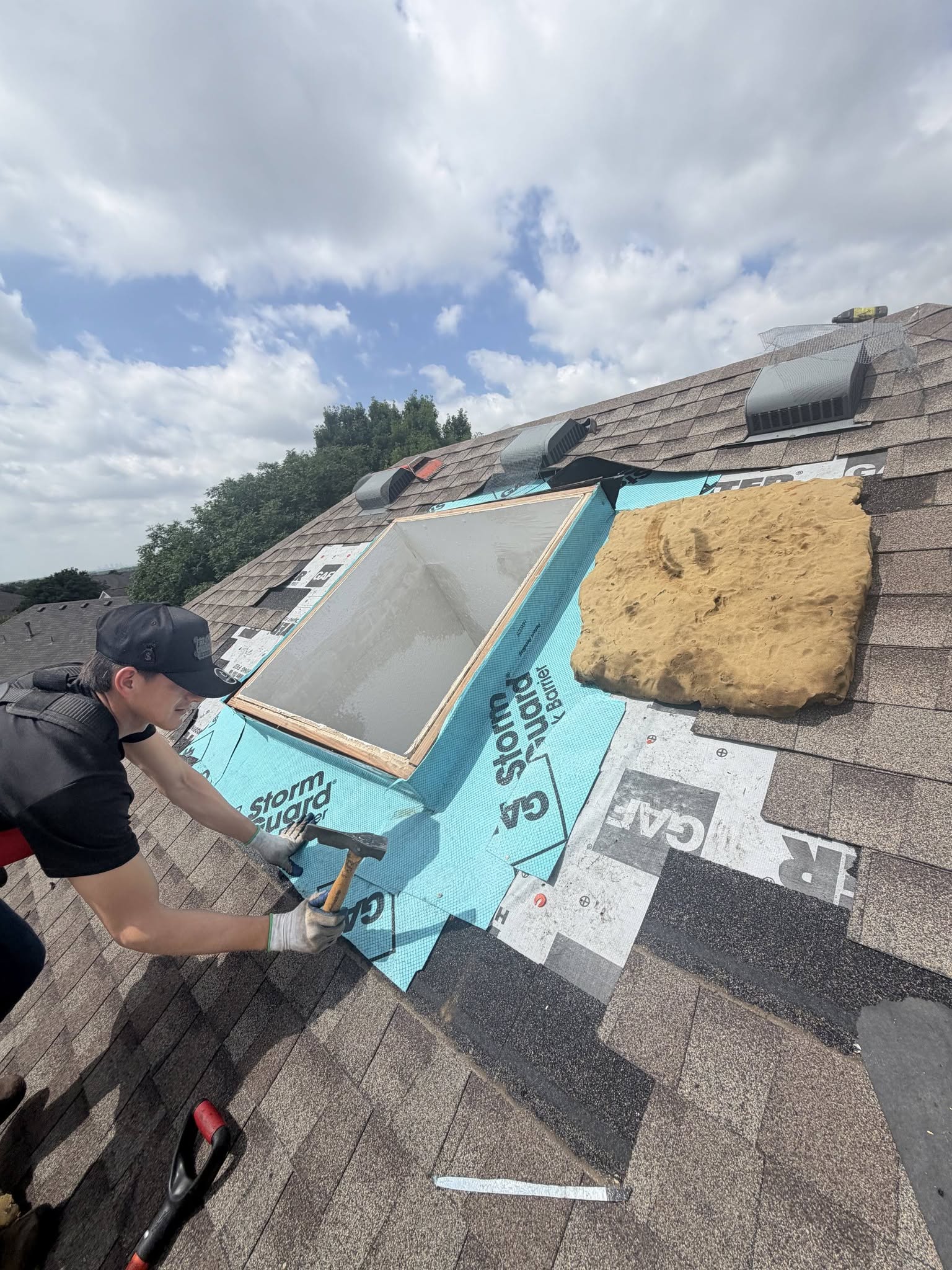
- Rotten or damaged plywood under the shingles has to be replaced. Nobody can see it until the old roof comes off.
- If there are two layers of old shingles, tear-off and disposal cost more.
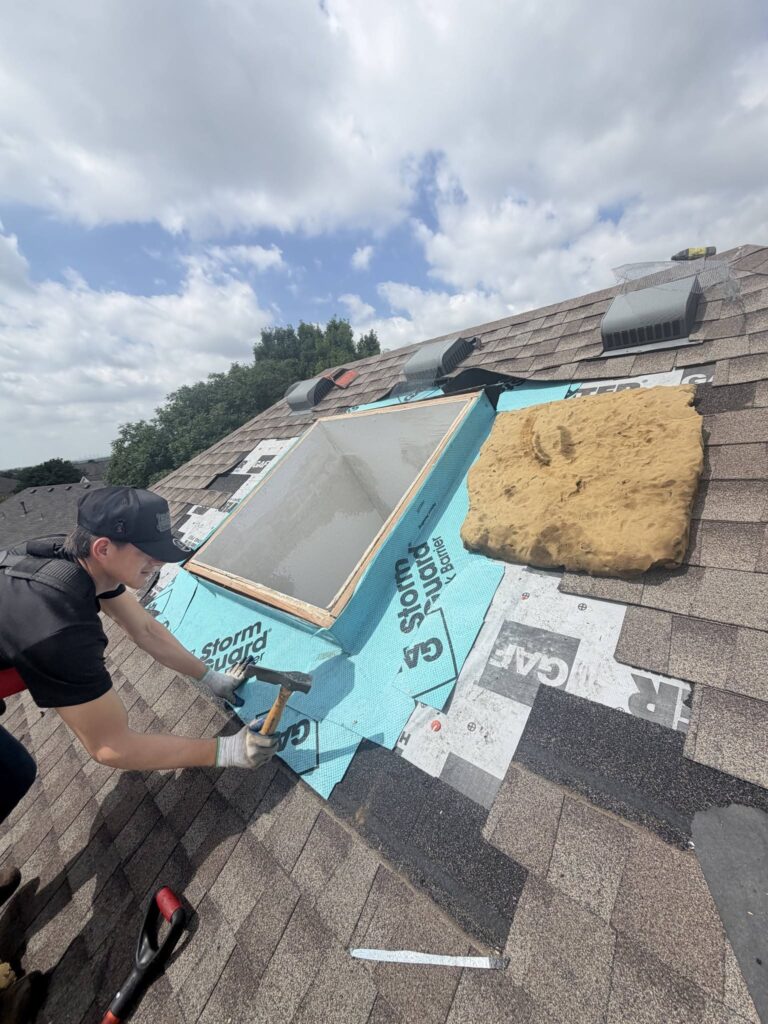
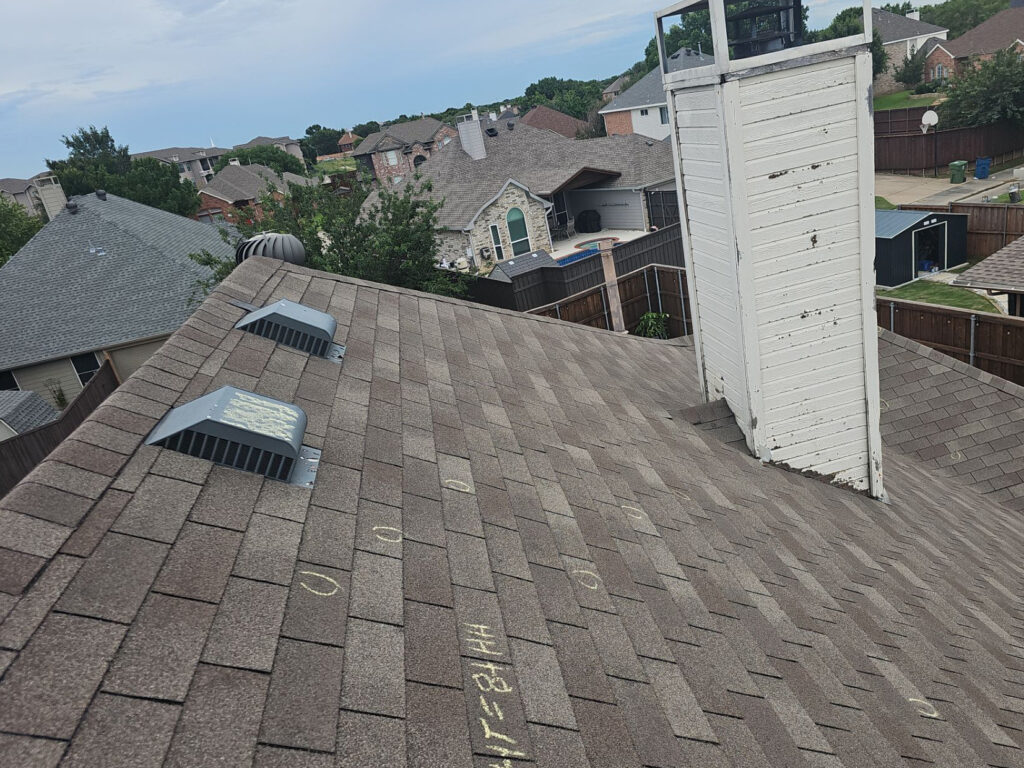
- Chimneys, skylights, lots of valleys, and roof-to-wall flashing all add labor.
- Extras done right. New underlayment, ice and water shield in the valleys, drip edge, pipe boots, and proper ventilation. These are code and manufacturer requirements, not upgrades.
Typical DFW price ranges (2026)
These are ballpark numbers for a full tear-off and replacement. Every house is different, so treat them as a starting point, not a quote.
- Architectural asphalt shingles (Class 3): about $450–$600 per square
- Impact-resistant Class 4 shingles: about $525–$700 per square
- Stone-coated steel or rubber (TEK, Euroshield): roughly double a standard shingle roof
For a typical 30-square roof, that works out to about:
- $13,500–$18,000 for architectural shingles
- $15,500–$21,000 for Class 4 shingles
- $27,000 and up for stone-coated steel or rubber
Steep, two-story, or complicated roofs land higher. A small, simple one-story ranch can land lower.
The decking line: where cheap quotes hide
This is the one I want every homeowner to understand.
Under your shingles is a layer of wood, usually 4×8 sheets of OSB or plywood. On older DFW roofs, some of it is soft or rotted from years of small leaks. You can’t see it until the old roof is off. The adjuster can’t either.
A good quote prices decking per sheet, for what’s actually used. Ours is $75 per sheet installed. That way you only pay for the boards that need it, and there’s no argument halfway through the job.
A lot of low quotes just leave decking off. Then the crew finds bad wood on tear-off day, and you get a surprise bill with your roof wide open. If a quote doesn’t mention decking at all, ask.
Class 4 shingles: worth it in DFW?
In hail country, a lot of the time, yes.
Class 4 is the highest impact rating a shingle can get. It holds up better to hail than a standard shingle. The upgrade usually adds a few dollars per square foot over a standard architectural shingle.
The bonus: many Texas insurance companies give a premium discount for a Class 4 roof. We’ve had customers see their premium drop noticeably after switching. It depends on your carrier, so call your agent and ask what they offer before you decide.
If you’re looking at metal roofing, check your declarations page first. Some carriers, State Farm included, have endorsements that limit hail coverage on metal roofs to damage that actually punctures the metal, so dents may not be covered. That doesn’t make metal a bad roof. It’s a great roof. Just know how your policy treats it.
What if insurance is paying for it?
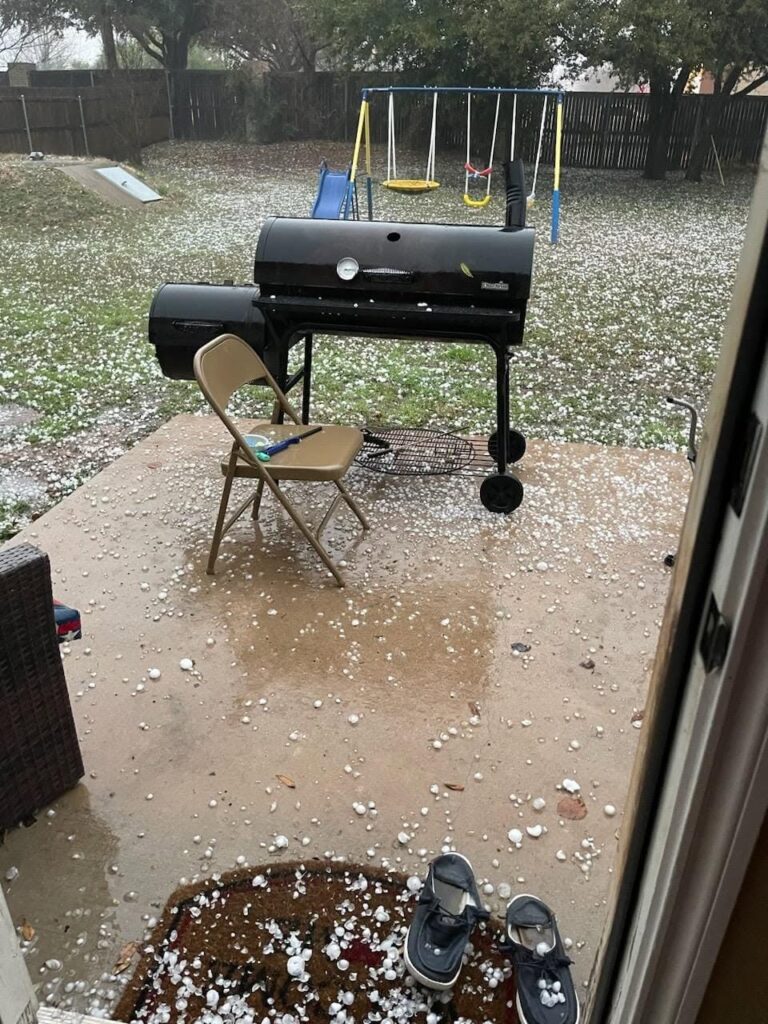
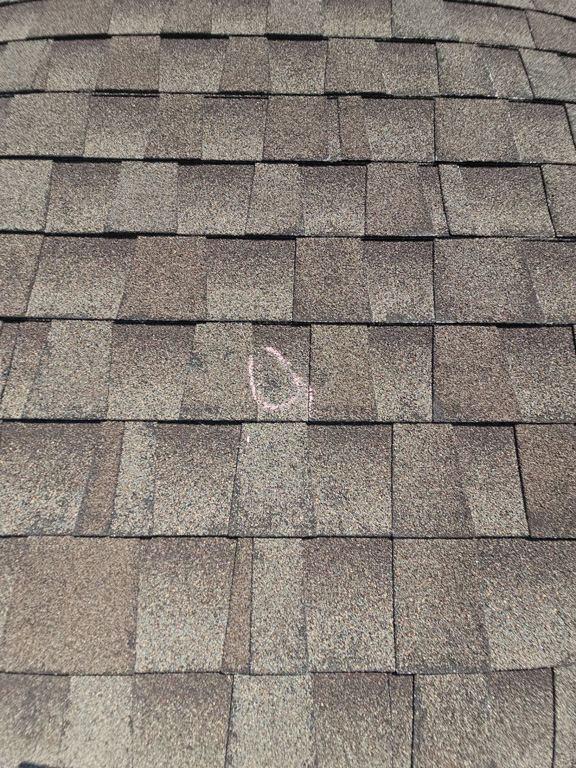
If hail or wind damaged your roof, your homeowners policy may cover the replacement. Here’s how the money usually works:
- The carrier writes an estimate for the full replacement cost of the damaged roof.
- Your deductible comes off the top. A lot of Texas policies now use a percentage deductible, often 1% or 2% of your home’s insured value. On a $400,000 home, a 2% deductible is $8,000.
- If your policy is replacement cost (RCV), the carrier may hold back some depreciation until the work is done, then release it when you show the job is complete.
- If your policy is actual cash value (ACV), they pay the depreciated value, and you cover the gap.
You pay your deductible. Period. In Texas, it’s illegal for a contractor to waive, cover, rebate, or “eat” your deductible. If a roofer offers that, walk away. They’re breaking the law, and they’ll cut corners on your roof too.
What we do is make sure the carrier’s estimate actually matches your roof: the right measurements, the right shingle, and the code items they sometimes leave off, like starter course, drip edge, and flashing. Your insurance company decides coverage. We make sure they see everything that’s up there. We’re your contractor, not a public adjuster.
How to compare roofing quotes
When you have two or three quotes in hand, check these:
- Same number of squares? If one is way lower, they may have measured wrong.
- Same shingle line? “Architectural shingle” isn’t specific. Ask for the brand and product name.
- Decking priced per sheet? Or left off entirely?
- Full tear-off? Never let anyone lay new shingles over old ones on a hail claim.
- Underlayment, ice and water, drip edge, vents, pipe boots? Should all be listed.
- Permit included? Many DFW cities require one for a reroof.
- Workmanship warranty in writing? And a local address and phone number behind it.
- Reviews from real neighbors? Look for a contractor who’ll still be around in five years.
The cheapest quote is often the one missing the most lines.
The bottom line
Most DFW homeowners replacing an asphalt shingle roof in 2026 are looking at roughly $11,000 to $22,000, depending on size, pitch, and shingle. Class 4 and premium roofs cost more up front and can pay you back in hail resistance and insurance savings. And if a storm caused the damage, your policy may cover most of it after your deductible.
Biltmore Roofing is veteran-owned and based in Lewisville. We’ve put 50+ roofs on in Valley Ridge Estates alone, and we serve all of Dallas–Fort Worth. We measure your roof, show you the report, and give you a line-by-line quote with no surprises. If there’s storm damage, we’ll walk you through how the insurance side works.
Want a real number for your roof? Call us for a free inspection: (817) 714-3366.
FAQ
How much does a new roof cost for a 2,000 square foot house in Texas?
What is a "square" in roofing?
Will insurance pay for my roof replacement?
Can a roofer pay my insurance deductible?
Are Class 4 shingles worth the extra cost in DFW?
This article is general information for Texas homeowners, not legal or insurance advice. Coverage depends on your specific policy — read yours or ask us to help you understand it.