The short answer
After a hail storm, stay off the roof, write down the storm date, and photograph any damage you can see from the ground: dented gutters, AC fins, vents, cars, and the hailstones themselves. Then get a free roof inspection before you call your insurance company, so you know whether there’s real damage before you open a claim.
If water is coming in, stop it first. Tarp it or call a roofer for an emergency tarp, and keep every receipt. Everything else can wait a day. A leak can’t.
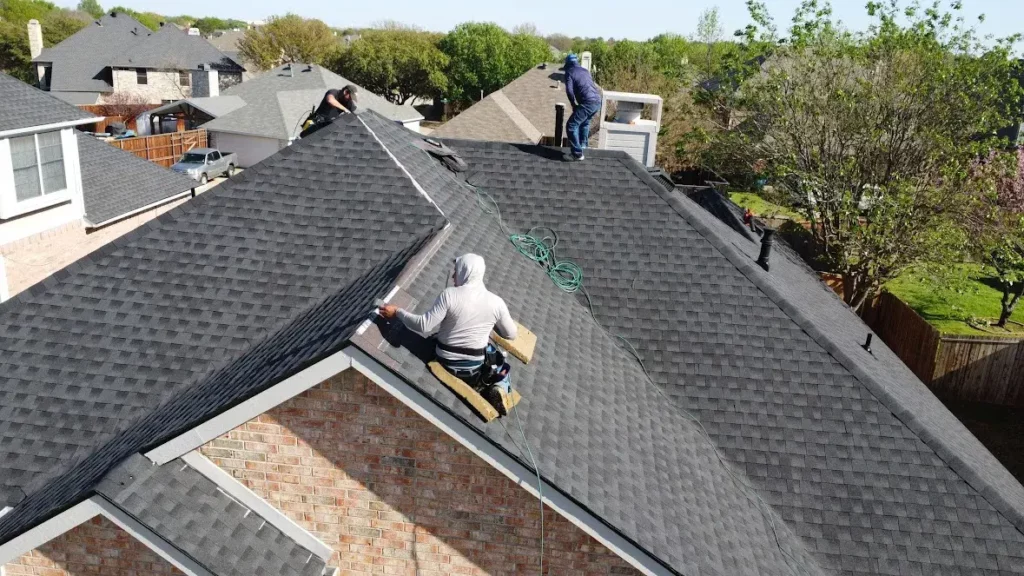
I’ve worked hail storms all over Dallas–Fort Worth, first as an adjuster and now as a roofer. Here’s the order I’d do things in if it were my house.
The first 24 hours
The storm just passed. Your phone is blowing up, your neighbors are outside looking at their cars, and somebody’s already knocking on doors. Slow down. Here’s what actually matters today.
- Make sure everyone is safe. Check for broken windows, downed limbs, and any power lines on the ground. Call Oncor or your electric provider for downed lines. Don’t touch them.
- Check for leaks inside. Look at ceilings, the attic if you can get up there safely, and around skylights and chimneys. Water stains or drips mean you need a tarp now.
- Stop the water if it’s coming in. Most policies expect you to take reasonable steps to prevent more damage. A tarp, a bucket, moving furniture out of the way. Keep the receipts and take photos before and after.
- Write down the date and time of the storm. Your claim is tied to the date of loss. Don’t guess later. Write it down tonight.
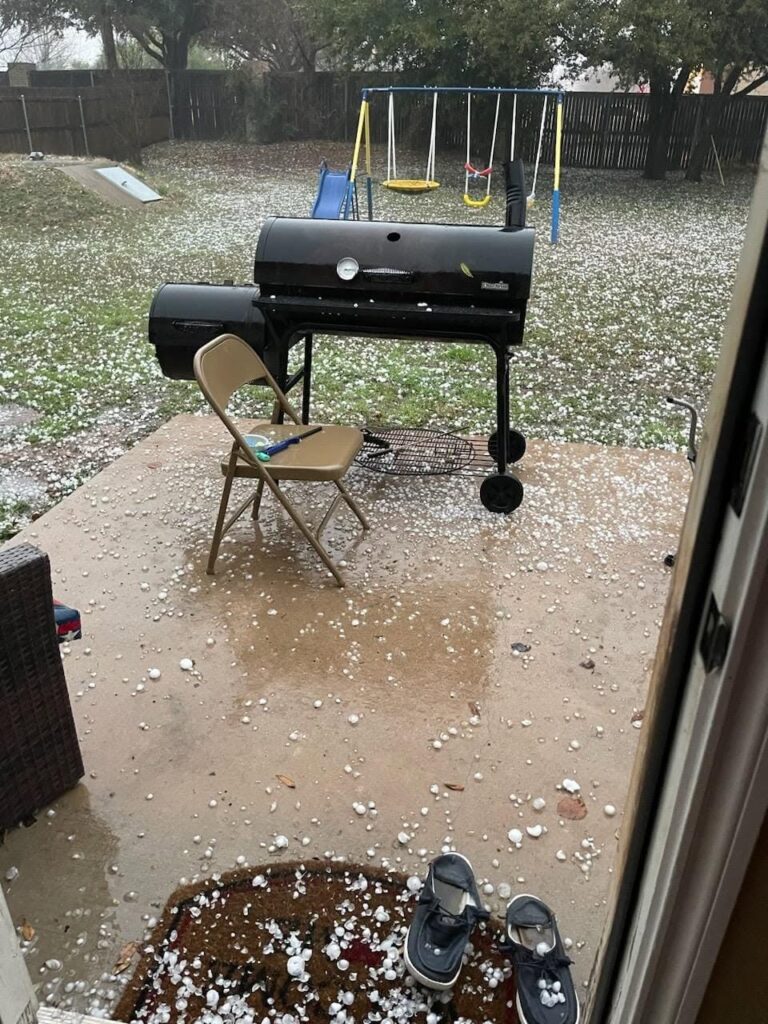
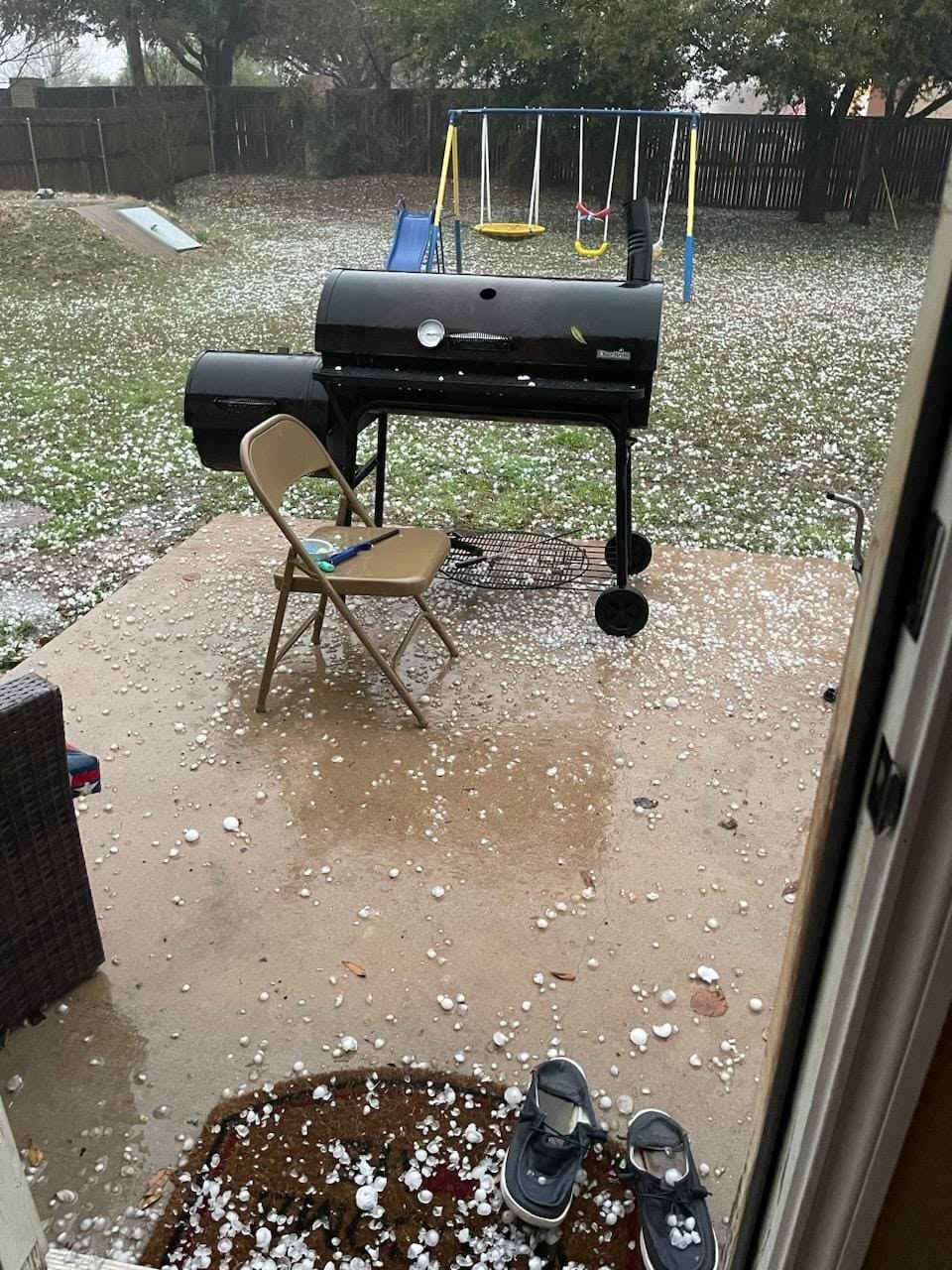
- Take photos from the ground. Hailstones next to a coin or a ruler for scale. Dented gutters and downspouts. Crushed AC fins. Dents on vents, mailboxes, and cars. Torn window screens. Take more than you think you need.
- Stay off the roof. I mean it. Wet shingles after a storm are slick, and a fall off a two-story roof is a lot worse than any hail claim. Let someone with the right gear and the training do it.
The first week
Once the dust settles, this is where most of the decisions get made.
Find out if hail really hit your street.
Radar hail maps are estimates of hail size up in the storm, not what landed on your house. I’ve driven to spots a map showed as 2-inch hail and found nothing on the ground.
The better test is your neighbors. Check your neighborhood Facebook group or Nextdoor. When hail really hits an area, people post stones in their hands, dented cars, and “did everyone get hit?” threads within hours. When the group is quiet, that tells you something too.
Get a free roof inspection before you call your insurance.
This is the step people skip, and it costs them.
If you call your insurance company first and the adjuster finds only a few hits, the carrier may pay for only those spots. If that total comes in under your deductible, you get a “damages under deductible” letter and no check. Now there’s a claim on your record and nothing to show for it.
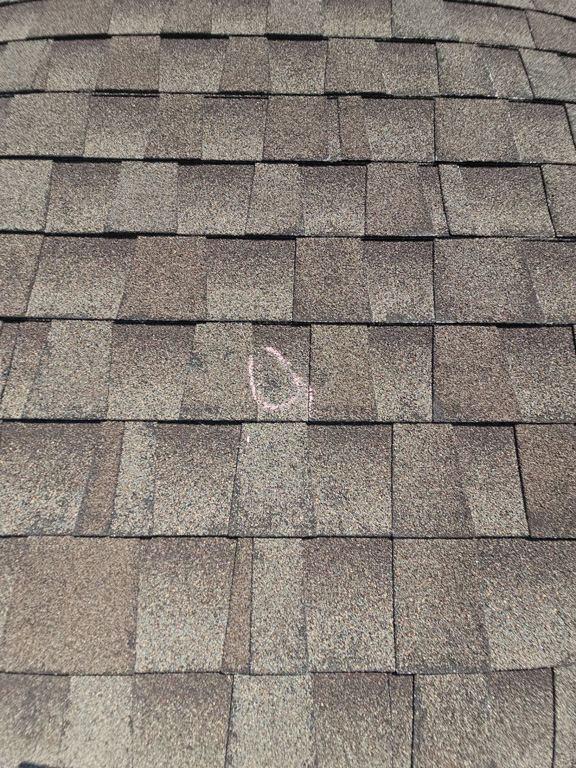
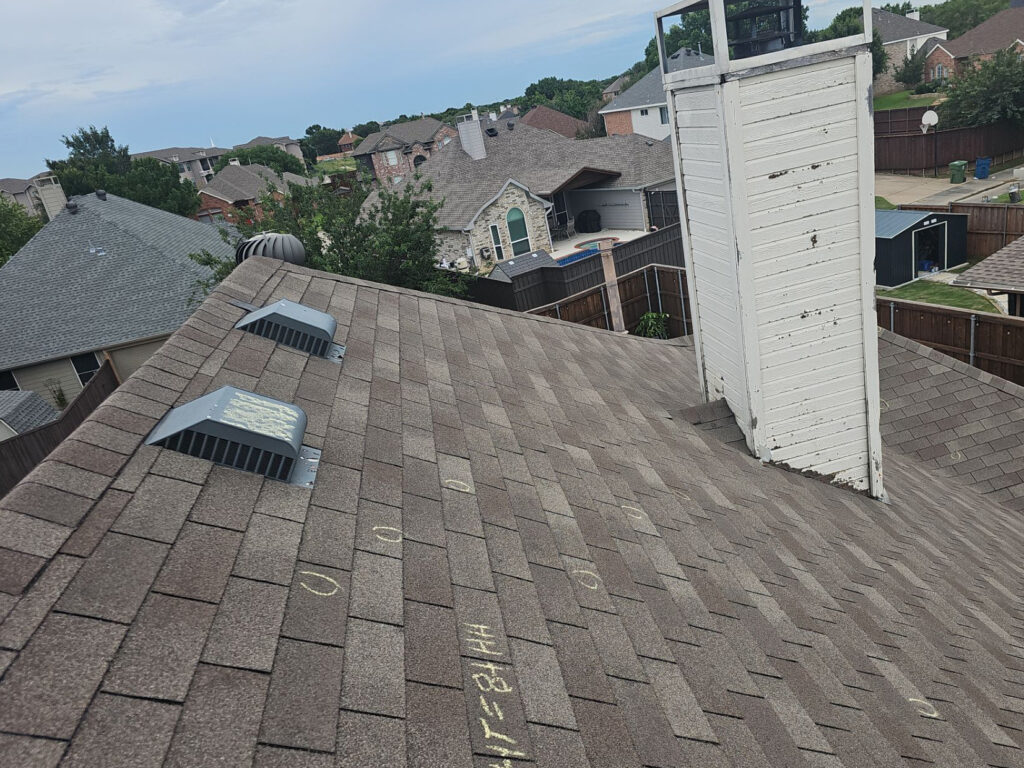
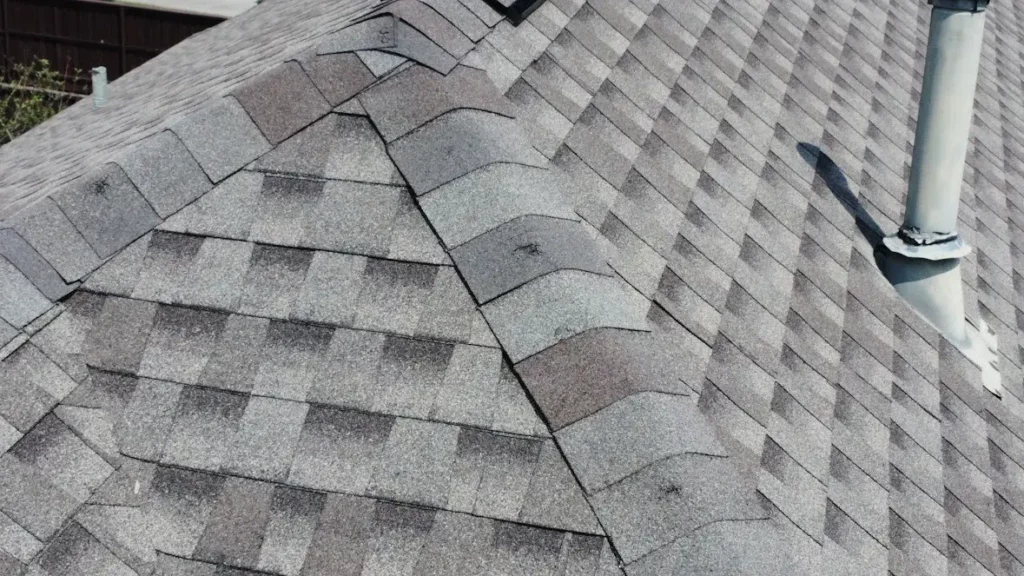
A good inspection tells you whether there’s real hail damage and how much, before anything goes on file. Ask for photos of everything the inspector finds. A real inspector will also tell you when there’s no damage. If someone finds damage on every single house on your street, be careful.
For the full list of what hail damage looks like up close, read our guide: How to Tell If Your Roof Has Hail Damage.
Read your declarations page.
Pull out your policy, or log into your insurance app, and find the declarations page. Look for:
- Your wind/hail deductible. A lot of Texas policies use a percentage now, often 1% or 2% of your home’s insured value. On a $400,000 home, 2% is $8,000. Know your number before you file.
- Roof endorsements. Some policies pay roofs on actual cash value (depreciated) instead of replacement cost. That changes what your check looks like.
- Cosmetic damage exclusions. Mostly aimed at metal roofs and metal parts. If you have one, it’s on that page.
- Your filing deadline. Many policies set one year from the date of the storm, some two. Check yours.
You don’t have to understand every line. Just know your deductible and your deadline.
File the claim if there’s real damage.
If the inspection found real hail damage, call your insurance company or file in their app. Give them the storm date and tell them what you found. You’ll get a claim number and an adjuster will be assigned.
Write down the claim number, the adjuster’s name, and their phone and email. You’ll use them a lot.
When the adjuster comes out
The adjuster works for your insurance company. Most are fair. But they’re often covering dozens of roofs a week after a big storm, and things get missed.
- Have your roofer there for the inspection. Someone who already walked your roof should be up there with the adjuster, pointing out every hit they documented. This is the single biggest thing you can do.
- Ask how many test squares they checked. Adjusters usually count hits inside a 10-foot by 10-foot square on each slope. Make sure the slopes that faced the storm got checked.
- Don’t argue on the driveway. Be polite. Get the scope of loss in writing, then read it.
- Read the scope when it comes. It lists what the carrier is paying for, line by line. Look for missing items like starter shingles, drip edge, ridge cap, vents, and gutters that you know got hit.
If something looks missing or underpaid, your contractor can send the carrier documentation, photos, and code requirements for those items. That’s called a supplement, and it’s normal. The insurance company still makes the coverage decision. A contractor can’t negotiate your claim for you or act as your adjuster. In Texas, that’s the job of a licensed public adjuster, and you can hire one if you want.
Watch out for storm chasers
After a big DFW hail storm, out-of-town crews show up fast. Some do fine work. Some are gone before your warranty ever matters. Red flags:
- Pressure to sign today. A real contractor will still be here next week.
- No local address, no local reviews. Look them up on Google before they get on your roof.
- Anyone who offers to “waive,” “cover,” “absorb,” or “eat” your deductible. That’s illegal in Texas. You pay your deductible. A roofer who breaks that law will cut other corners too.
- Asking for a big payment up front before materials show up.
- Saying they’ll “handle your insurance” or talk to the carrier for you as if they’re your adjuster. A contractor can document damage and send supplements. They can’t represent you on the claim.
Read any contract before you sign it. Texas law gives you the right to cancel a roofing contract that depends on your insurance claim within three business days after the carrier denies it. A legit contract spells that out.
The bottom line
After hail: safety first, stop any leaks, write down the date, take photos, and get an inspection before you file. Know your deductible and your deadline. Have someone who knows roofs standing next to the adjuster.
Biltmore Roofing is veteran-owned and based in Lewisville. We’ve put 50+ roofs on in Valley Ridge Estates alone and work all over Dallas–Fort Worth. We’ll get on your roof, photograph what we find, and tell you straight whether it’s hail damage, including when it isn’t. We’re your contractor, not a public adjuster, and your insurance company decides coverage. We make sure they see everything that’s up there.
Storm just hit your neighborhood? Call us for a free inspection: (817) 714-3366.
FAQ
Should I call my insurance company right after a hail storm?
How soon after a hail storm should I get my roof inspected?
Will filing a hail claim raise my insurance rates?
Can a roofer pay my insurance deductible?
What if my neighbors got new roofs and my claim was denied?
This article is general information for Texas homeowners, not legal or insurance advice. Coverage depends on your specific policy — read yours or ask us to help you understand it.